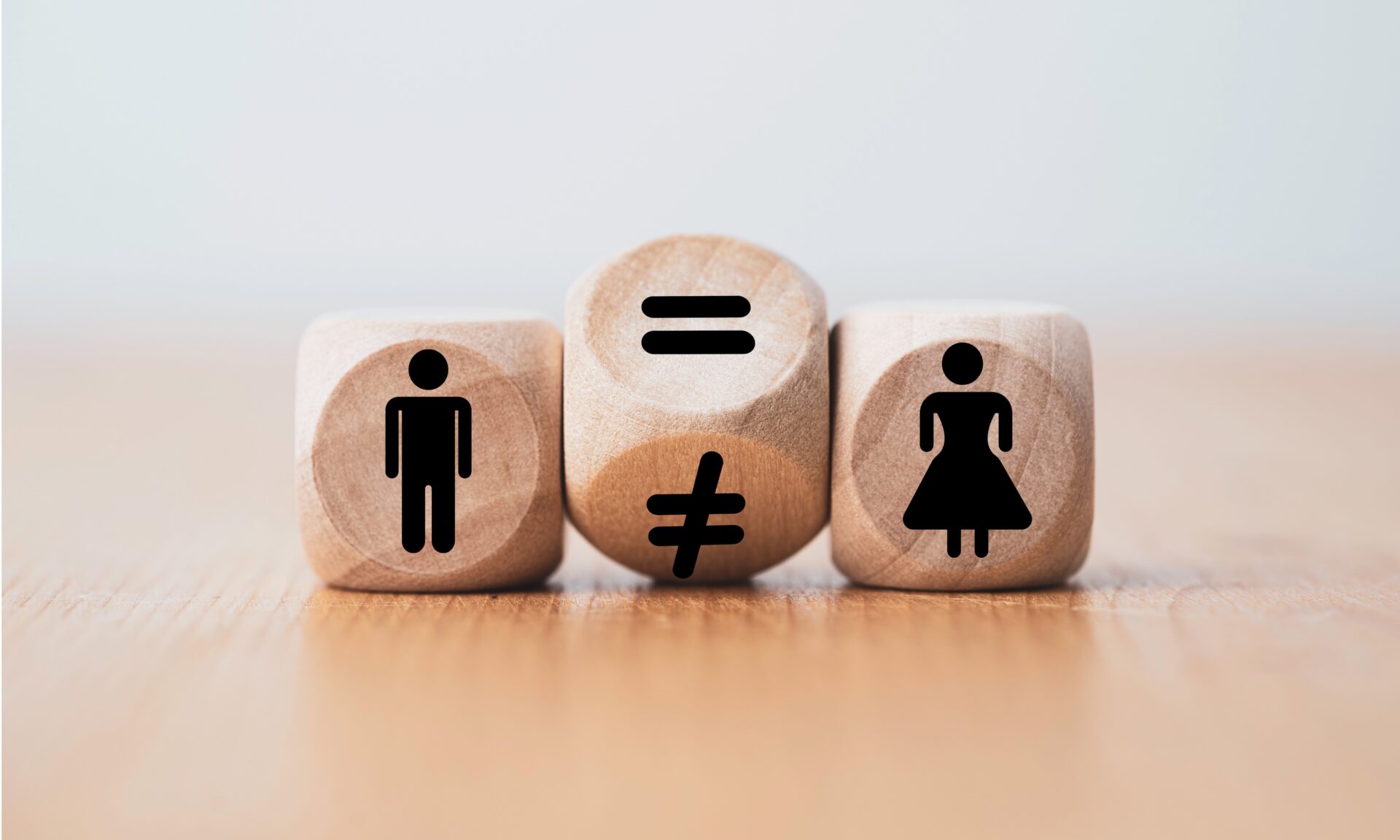
Equal Pay Day is not just a symbolic date on the calendar. It is a reminder that, even in 2026, women in Massachusetts and across the country are still not paid equally for their work.
While Equal Pay Day is often discussed in the context of women, equal pay laws apply to everyone. In The Massachusetts Equal Pay Act prohibits pay discrimination based on gender and protects employees from being paid less for comparable work
So how much progress have we actually made, and what rights do employees have today?
Why Equal Pay Day Still Matters
Equal Pay Day marks how far into the new year women must work to earn what men earned in the previous year. In 2026, Equal Pay Day falls on March 26.
The date exists because the gender pay gap still exists.
According to 2024 data from the Pew Research Center, women in the United States earn approximately 85 cents for every dollar earned by men when both full- and part-time workers are included. The gap is wider for Black, Latina, and Indigenous women.
This is not a relic of the 1960s. It is today’s reality.
Equal pay is not just a women’s issue. It is a fundamental economic and social issue affecting families, businesses, and communities. When employees are paid fairly, household incomes rise, local economies strengthen, and families are more financially secure.
Progress Has Been Real — But It Has Slowed
The federal Equal Pay Act was passed in 1963. Since then, the gap has narrowed significantly. In the early 1980s, women earned about 65 percent of what men earned. By the early 2000s, that number rose to just over 80 percent.
But over the last two decades, progress has slowed.
In Massachusetts, full-time women employees earn approximately 84.3 percent of what men in comparable roles earn, according to data reported by the Commonwealth. While Massachusetts performs better than some states, the gap remains significant, especially for women of color.
Equal pay is not just about fairness. It affects lifetime earnings, retirement savings, and economic security.
Stronger Equal Pay Laws in Massachusetts
Massachusetts has long been a leader in equal pay protections. In fact, Massachusetts was the first state in the country to pass an equal pay law in 1945. That early commitment to pay equity remains an important part of the Commonwealth’s history.
The good news is that Massachusetts has enacted some of the most comprehensive equal pay protections in the country. These protections apply to employees of all genders.
Here are the key laws that protect employees:
Federal Equal Pay Act of 1963
Prohibits wage discrimination based on sex for substantially equal work.
Lilly Ledbetter Fair Pay Act of 2009
Allows employees to challenge discriminatory pay decisions, even if the discrimination began years earlier.
Massachusetts Equal Pay Act (MEPA)
Effective July 1, 2018, MEPA prohibits employers from paying employees of different genders differently for comparable work. Comparable work means work requiring substantially similar skill, effort, and responsibility, performed under similar working conditions.
The 2018 update strengthened the law in several important ways. It replaced the previous “equal work” standard with a broader “comparable work” standard. It banned employers from asking any candidate, regardless of gender, about their salary history before making a formal offer. It prohibits employers from preventing employees from discussing their wages. It also provides an affirmative defense to employers that complete a good faith self-evaluation of their pay practices within three years before a legal action alleging a violation of the law.
Massachusetts Wage Transparency Law
Effective October 29, 2025 for employers with 25 or more employees, this law requires employers to disclose wage ranges in job postings and to provide pay range information to applicants and employees upon request.
This means you now have the right to ask for pay range information and better understand how your compensation compares to others performing comparable work.
Transparency is one of the most powerful tools in closing the gap.
What Can People Who Support Equal Pay Do Today
Closing the gender pay gap is not just about legislation. It is about action.
If you believe pay practices in your workplace are not equitable, or if you support equal pay within your organization, you can:
- Request pay range information under the Massachusetts Wage Transparency Law
- Review whether your role qualifies as “comparable work” under MEPA
- Encourage transparency and lawful wage discussions in your workplace
- Speak with an experienced employment attorney about your options
- Equal pay is not just a principle. It is the law.
- Equal Pay Is a Women’s History Month Issue — and a 2026 Issue
Women’s History Month is a time to celebrate progress. It is also a time to acknowledge where work remains.
Massachusetts has made meaningful strides in protecting employees at work. Those protections apply regardless of gender.
But legal protections only matter when employees understand their rights and feel empowered to use them.
The gender pay gap did not disappear with the passage of the Equal Pay Act in 1963. It will not disappear without awareness, transparency, and enforcement today.